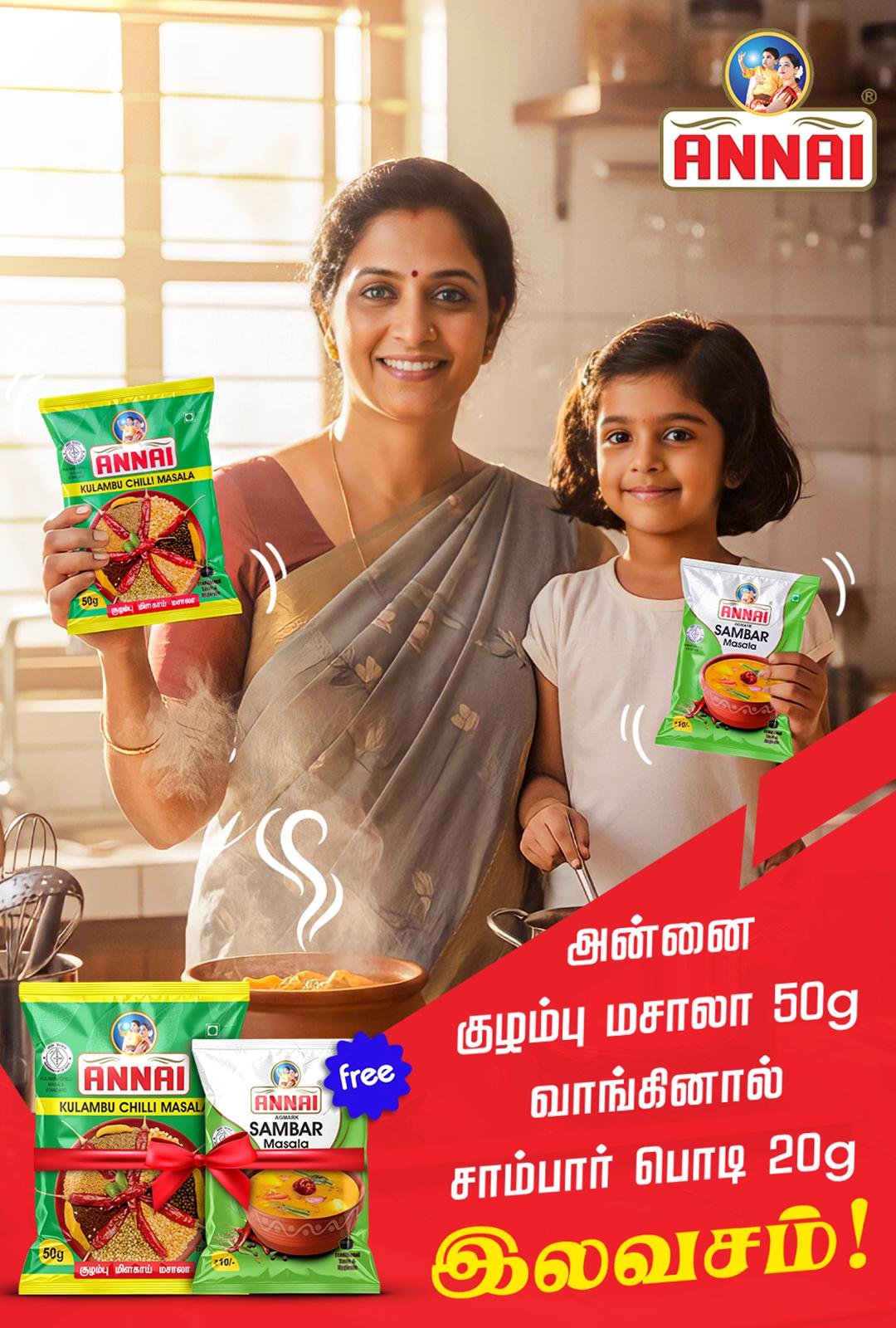
Essential Masala Powders for a New Kitchen
Setting up a new kitchen can be exciting until you realize how many spice jars are needed to cook everyday meals. You don’t need a cupboard full of dozens of spices on day one. A carefully chosen collection of essential masala powders can cover most Indian recipes, from comforting sambar and rasam to biryani, chicken curry and everyday vegetable dishes.
Which Masala Powders Should a New Kitchen Have?
For a new Indian kitchen, start with turmeric powder, chilli powder, coriander powder, cumin powder, garam masala, sambar powder and rasam powder. Depending on your cooking style, you can then add chicken masala, curry masala, biryani masala and other regional spice blends.
The right selection depends on whether you mainly cook vegetarian food, non-vegetarian dishes, South Indian meals, North Indian cuisine or a combination of all of them.
Key Takeaways
- You don’t need every spice blend when starting a new kitchen.
- Turmeric, chilli and coriander powders form a useful everyday base.
- Sambar and rasam powders are particularly practical for South Indian kitchens.
- Garam masala adds warmth and depth to many North Indian-style dishes.
- Specialty blends such as chicken masala and biryani masala are useful when those dishes are regularly prepared.
- Freshness, aroma, ingredient quality and proper storage matter as much as the name on the packet.
- Buying a few versatile masala powders first can reduce kitchen clutter and unnecessary spending.
What Are Masala Powders?
Masala powders are ground spice mixtures or individual powdered spices used to season, flavor, color and enhance different dishes. Some contain a single spice, such as turmeric or cumin, while blended masalas combine several spices in carefully balanced proportions.
For example:
- Turmeric powder → color, earthy flavor and traditional culinary use
- Chilli powder → heat and red color
- Coriander powder → mild citrusy, earthy flavor
- Cumin powder → warm, nutty flavor
- Garam masala → aromatic finishing spice blend
- Sambar powder → lentil-and-spice-based South Indian dishes
- Rasam powder → tangy, peppery South Indian rasam
- Chicken masala → spice blend designed for chicken-based dishes
The important point is that there is no universal “must-have” list. Your cooking habits should determine what goes into your spice rack.
1. Turmeric Powder: The Everyday Essential
If you are building your first spice collection, turmeric powder is one of the easiest choices to justify.
It is used in dals, vegetable preparations, curries, rice dishes and many Indian recipes. A small amount can provide the familiar golden color associated with numerous traditional dishes.
Why keep turmeric powder?
- Used in everyday cooking
- Adds characteristic color
- Works with vegetarian and non-vegetarian recipes
- Needed in many traditional Indian preparations
- A small quantity goes a long way
Kitchen tip: Store turmeric in an airtight container away from moisture and direct sunlight.
2. Red Chilli Powder: For Heat and Color
Red chilli powder is another foundation ingredient for an Indian kitchen.
However, not all chilli powders behave the same way. Some varieties are chosen primarily for heat, while others are valued for their bright red color and comparatively milder heat.
When buying chilli powder, consider how you normally cook.
| Type | Typical use |
|---|---|
| Hot chilli powder | Spicy curries and gravies |
| Mild chilli powder | Everyday cooking |
| Colour-focused chilli powder | Gravies, marinades and dishes where appearance matters |
| Blended chilli powder | Balanced heat and color |
Instead of automatically choosing the hottest powder, choose one that matches your family’s preferred spice level.
3. Coriander Powder: The Versatile Base
Coriander powder is one of the most versatile masala powders in Indian cooking.
Its warm, earthy and slightly citrus-like character works particularly well in curries, gravies, vegetable dishes, marinades and spice blends.
It also pairs naturally with cumin and chilli.
A simple everyday combination
For many Indian gravies, a combination of:
Coriander powder + chilli powder + turmeric powder
creates a useful basic spice foundation.
That makes coriander powder particularly valuable when stocking a new kitchen.
4. Cumin Powder: Small Amount, Big Aroma
Cumin has a distinctive warm and earthy aroma. Ground cumin is used in several regional cuisines and can also be added toward the end of cooking for extra fragrance.
It works well in:
- Vegetable dishes
- Dal
- Raita
- Rice preparations
- Gravies
- Marinades
- Spice blends
If you enjoy cooking North Indian, Mughlai or fusion dishes, cumin powder can quickly become one of your most frequently used spice jars.
5. Sambar Powder: A South Indian Kitchen Staple
For a South Indian household, sambar powder deserves a place near the front of the spice rack.
Sambar is more than just a lentil dish. Its characteristic flavor comes from the balance of spices used in the masala blend.
A quality sambar powder can make preparation easier when you are cooking:
- Vegetable sambar
- Drumstick sambar
- Onion sambar
- Hotel-style sambar
- Tiffin sambar
- Mixed vegetable sambar
It can also be useful when you want consistent flavor without individually measuring multiple whole spices.
6. Rasam Powder: For Quick Comfort Food
Rasam is one of those dishes that can turn a simple meal into something comforting.
Rasam powder typically combines spices chosen to create the characteristic peppery, aromatic profile associated with rasam.
It is useful for preparing different styles of rasam, including tomato-based and pepper-forward variations.
Why new kitchens benefit from rasam powder
It is:
- Convenient
- Easy to measure
- Useful for quick meals
- Suitable for everyday South Indian cooking
- Easy to combine with tomato, tamarind, lentils and herbs
For households that regularly eat rice-based meals, rasam powder can be particularly practical.
7. Garam Masala: The Aromatic Finisher
Garam masala is one of the most recognized Indian spice blends.
Unlike a basic spice powder used throughout cooking, garam masala is often added toward the later stages of preparation or used as a finishing spice.
It can complement:
- Paneer dishes
- Vegetable curries
- Chickpea dishes
- Chicken curries
- Rice dishes
- Gravies
The exact formulation can vary considerably between brands and regional traditions. That is why aroma and ingredient composition are useful things to consider when choosing one.
8. Chicken Masala: Useful for Non-Vegetarian Cooking
If chicken appears regularly on your weekly menu, chicken masala can be a convenient addition to your new kitchen.
A purpose-made chicken spice blend can simplify preparation because it combines several spices in a ready-to-use format.
It can be used for:
- Chicken curry
- Chicken gravy
- Spicy chicken
- Chicken fry
- Marinades
- Regional-style chicken preparations
However, if you rarely cook chicken, there is no need to make this one of your first purchases.
9. Biryani Masala: Worth Buying If You Love Biryani
Biryani involves several layers of aroma and flavor. A prepared biryani masala can make home preparation easier by bringing multiple spices together.
Depending on the blend, biryani masala may complement ingredients such as:
- Basmati or other aromatic rice
- Chicken or vegetables
- Onion
- Tomato
- Yogurt
- Mint
- Coriander
- Whole spices
For someone who cooks biryani only occasionally, a small pack is generally more practical than buying a large quantity.
Essential Masala Powders: What Should You Buy First?
If you’re standing in a supermarket wondering which packets to pick up, use this simple priority system.
| Priority | Masala Powder | Why |
|---|---|---|
| Must-have | Turmeric | Everyday cooking |
| Must-have | Chilli powder | Heat and color |
| Must-have | Coriander powder | Curries and gravies |
| Highly useful | Cumin powder | Aroma and seasoning |
| South Indian essential | Sambar powder | Everyday sambar |
| South Indian essential | Rasam powder | Quick rasam |
| Highly useful | Garam masala | Curries and finishing |
| Optional | Chicken masala | Regular chicken cooking |
| Optional | Biryani masala | Frequent biryani preparation |
This approach is more practical than buying ten or twenty spice blends simply because you’re starting a new kitchen.
How to Choose Good Quality Masala Powders?
Price alone does not tell you whether a masala powder is right for your kitchen.
When comparing products, look at several factors.
1. Check the ingredient list
A spice blend should clearly identify its ingredients. This helps you understand what you are actually buying.
2. Look at the aroma
Fresh spices generally have a noticeable natural aroma. If a powder smells stale, unusually flat or musty, that can be a reason to reconsider it.
3. Check packaging
Good packaging should protect the powder from:
- Moisture
- Air exposure
- Excessive light
- Contamination
4. Consider batch size
Don’t buy a huge pack just because it costs less per gram.
A smaller fresh pack can be more practical for a new kitchen if you use that masala only occasionally.
5. Check the date information
Look at the manufacturing/packing information and best-before details provided on the package.
How Should You Store Masala Powders?
Even good-quality spices can lose their aroma if stored poorly.
For better storage:
- Keep powders in airtight containers.
- Use a dry spoon when taking masala from the container.
- Keep containers away from the stove’s direct heat.
- Avoid storing them where steam regularly reaches the jars.
- Close containers immediately after use.
- Buy quantities that match your cooking frequency.
A useful kitchen habit
Instead of keeping every masala packet open, transfer frequently used powders into clean, airtight containers and label them with the product name.
This makes your spice collection easier to organize and use.
How Many Masala Powders Does a New Kitchen Actually Need?
A practical starter collection can contain six to eight core powders.
Starter spice collection
For a South Indian kitchen:
- Turmeric powder
- Chilli powder
- Coriander powder
- Cumin powder
- Sambar powder
- Rasam powder
- Garam masala
Then add specialty blends according to your menu.
If you cook more non-vegetarian food
Consider adding:
- Chicken masala
- Meat masala
- Biryani masala
- Fish masala
The goal isn’t to build the biggest spice collection. It’s to build the most useful one.
Individual Spices vs Ready-Made Masala Blends
Which is better?
The answer depends on how you cook.
| Individual spices | Ready-made masala blends |
|---|---|
| More control over flavor | Convenient |
| Useful for experimenting | Consistent proportions |
| Good for experienced cooks | Beginner-friendly |
| Requires more measuring | Faster preparation |
| Can create custom blends | Designed for specific dishes |
A well-equipped kitchen can use both.
For example, you might keep turmeric, chilli and coriander powder as everyday basics while using sambar, rasam or biryani masala when you want convenience.
Common Mistakes When Buying Masala Powders for a New Kitchen
Buying too many varieties
A large spice collection can look impressive but may result in half-used packets sitting in the cupboard.
Choosing only based on price
The cheapest product is not necessarily the most suitable one for your cooking needs.
Buying extremely large packs
Unless you cook that dish frequently, smaller packs can help maintain freshness and reduce waste.
Ignoring your regional cooking style
A household that primarily cooks South Indian food may use sambar and rasam powders far more often than specialty North Indian blends.
Storing powders incorrectly
Heat, moisture and poor sealing can affect aroma and quality over time.
Can Masala Powders Replace Whole Spices?
Masala powders can make cooking faster, but they do not always replace whole spices. Whole spices such as cinnamon, cloves, cardamom, mustard seeds and cumin seeds provide different aromas and textures when tempered or cooked in oil.
For a genuinely useful starter kitchen, consider keeping a small selection of whole spices alongside your powdered masalas.
This gives you both convenience and flexibility.
The Smart Way to Build Your Masala Shelf
Instead of purchasing everything at once, build your collection in three stages.
Stage 1: Everyday essentials
Start with:
- Turmeric
- Chilli
- Coriander
- Cumin
Stage 2: Regional staples
Add the blends that match your cuisine:
- Sambar masala
- Rasam masala
- Garam masala
Stage 3: Specialty blends
Purchase these based on actual cooking frequency:
- Chicken masala
- Biryani masala
- Fish masala
- Meat masala
- Other regional spice blends
This method keeps your kitchen organized while making sure every jar has a purpose.
Frequently Asked Questions
What are the most essential masala powders for a new kitchen?
The most useful starting set is turmeric powder, chilli powder, coriander powder, cumin powder and a few cuisine-specific blends such as sambar powder, rasam powder or garam masala.
Which masala powders are used daily in Indian cooking?
Turmeric, chilli and coriander powders are among the most versatile everyday choices. Actual usage varies by household, region and cuisine.
What masala powders should beginners buy?
Beginners can start with six or seven versatile powders instead of buying a large collection. Choose powders based on the dishes you already plan to cook.
How long do masala powders last?
Their quality gradually declines after opening, particularly when exposed to air, heat and moisture. Follow the package’s best-before guidance and rely on aroma, appearance and proper storage as practical quality checks.
Should I buy masala powders or whole spices?
Both have a place in the kitchen. Powders offer convenience, while whole spices provide flexibility and fresh aroma when toasted or tempered.
Which masala powders are essential for South Indian cooking?
A practical South Indian starter collection includes turmeric, chilli, coriander, cumin, sambar powder and rasam powder. Other blends can be added according to the family’s cooking habits.
Is garam masala necessary in every Indian kitchen?
No. Garam masala is useful for many dishes, but it isn’t essential for every regional style of Indian cooking. Buy it if the dishes you prepare commonly use it.
How should masala powders be stored?
Store them in tightly sealed, moisture-free containers away from direct heat and sunlight. Always use a dry spoon.
Explore traditional Indian spice blends


Log in
By continuing, you accept the Website Regulations , Regulations for the sale of alcoholic beverages and the Privacy Policy
You dont have an account yet? Register Now